 Accès client
 Quercus Bicolor
Swamp White Oak
Quercus bicolor is a large deciduous shade tree with a broad, rounded crown and a strong, sturdy branching structure. It is highly prized for its adaptability to both wet and dry soils, attractive exfoliating bark, and dependable yellow to bronze fall color. Its longevity and tolerance of urban conditions make it an outstanding choice for parks, streets, and large residential landscapes.
The foliage emerges bright green in spring and matures to glossy dark green with distinctive silvery-white undersides that shimmer in the wind. In autumn, the leaves turn yellow, golden-brown, or bronze before falling. In spring, inconspicuous yellow-green flowers appear as male catkins and small female flowers. These are followed by oval acorns with shallow, warty cups that mature in one season and provide an important food source for wildlife.
Quercus bicolor grows best in full sun and adapts to a wide variety of soils, including moist, clay, loam, sandy, and even periodically flooded sites. Once established, it tolerates drought, urban pollution, and road salt better than many other oaks. It is ideal as a shade tree, street tree, park tree, or specimen in large landscapes.


Fiche technique
| Ensoleillement | Sunny |
| Hauteur | 5m and + |
| Largeur | 5m and + |
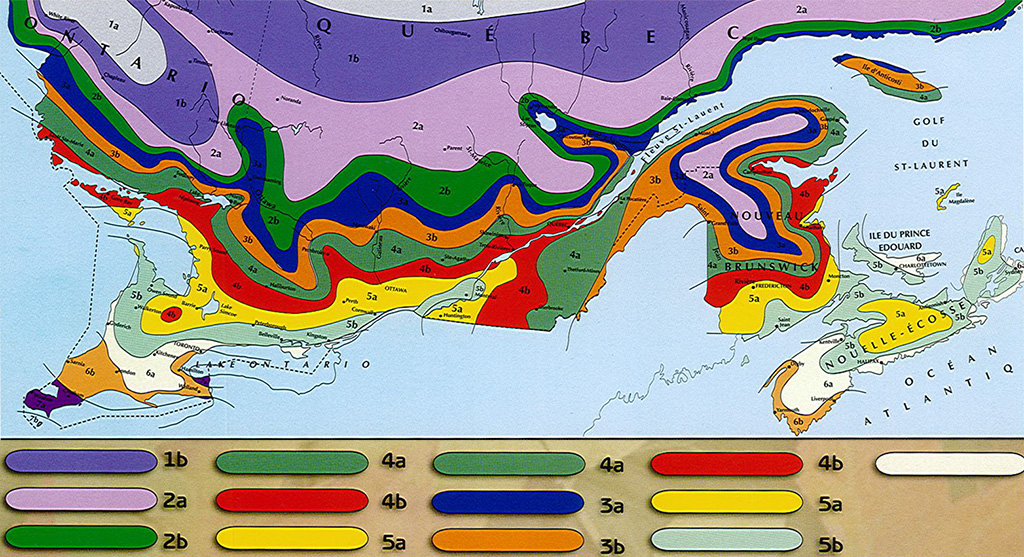
| Zone de rusticité | 4a, 4b |
| Période de floraison | May |
| Endroit | Isolated, Solid |
| Fleur coupée | Non |
| Fleur parfumée | Non |
| Attire les oiseaux | Oui |
| Attire les papillons | Oui |
| Comestible | Oui |
| Type de sols | Fresh (moist) soil, Moderately dry / well-drained soil |
| Condition environnementale | High drought resistance, High pollution resistance, High salt resistance, Moderate salt resistance |
| Feuillage | Green |
| Couleur de fleur | Greenish, Yellow |
| Fruits | No |
Recherche
de végétaux