 Accès client
 Celtis Occidentalis
Common Hackberry
Celtis occidentalis is a deciduous shade tree with a broad, rounded crown and a sturdy, spreading branching habit. Native to North America, it is highly valued for its exceptional adaptability, longevity, and ability to thrive under difficult urban conditions. Its distinctive corky, ridged bark and wildlife-friendly fruit make it an excellent choice for parks, streetscapes, and naturalized landscapes.
The foliage consists of medium to dark green, ovate leaves with serrated margins and a slightly rough texture. In autumn, the leaves turn a soft yellow before dropping. Small, inconspicuous green flowers appear in spring as the foliage emerges, followed by small berry-like drupes that ripen from orange to dark purple. The fruits often remain on the tree into winter and are an important food source for birds and other wildlife.
Celtis occidentalis grows best in full sun to partial shade and adapts to nearly any well-drained soil, including clay, sand, limestone, and compacted urban soils. Once established, it demonstrates excellent tolerance to drought, wind, heat, pollution, and occasional flooding. It is an outstanding choice for shade trees, streets, parks, riparian plantings, and naturalized landscapes.


Fiche technique
| Ensoleillement | Partial-shade, Sunny |
| Hauteur | 5m and + |
| Largeur | 5m and + |
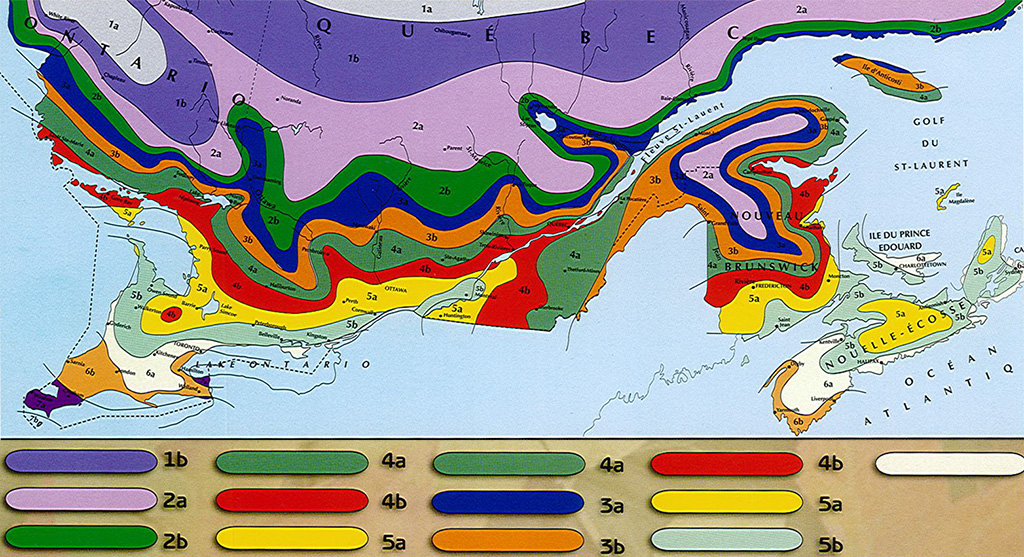
| Zone de rusticité | 4a, 4b |
| Période de floraison | April-May |
| Endroit | Isolated |
| Fleur coupée | Non |
| Fleur parfumée | Non |
| Attire les oiseaux | Oui |
| Attire les papillons | Oui |
| Comestible | Oui |
| Type de sols | Fresh (moist) soil, Moderately dry / well-drained soil |
| Condition environnementale | High drought resistance, High pollution resistance, High salt resistance, Moderate salt resistance |
| Feuillage | Green |
| Couleur de fleur | Greenish |
| Fruits | 10 mm, orange |
Recherche
de végétaux