 Accès client
 Carpinus Caroliniana
American Hornbeam
Carpinus caroliniana is a deciduous ornamental small tree with a rounded to broadly oval crown and a graceful, finely branched habit. Commonly known as American Hornbeam, it is highly valued for its smooth, muscular blue-gray bark, attractive foliage, excellent fall color, and adaptability to naturalized and residential landscapes.
The foliage consists of oval, finely serrated, dark green leaves that emerge light green in spring. In autumn, the foliage develops brilliant shades of yellow, orange, red, and scarlet, providing exceptional seasonal interest. Small greenish catkins appear in spring as the leaves emerge, followed by distinctive clusters of winged nutlets.
Carpinus caroliniana grows best in full sun to partial shade and prefers moist, fertile, well-drained soils. It adapts well to clay and periodically wet soils but also performs well in average garden soils. It is ideal as a specimen tree, understory tree, woodland gardens, parks, and naturalized landscapes.


Fiche technique
| Ensoleillement | Partial-shade, Sunny |
| Hauteur | 5m and + |
| Largeur | 5m and + |
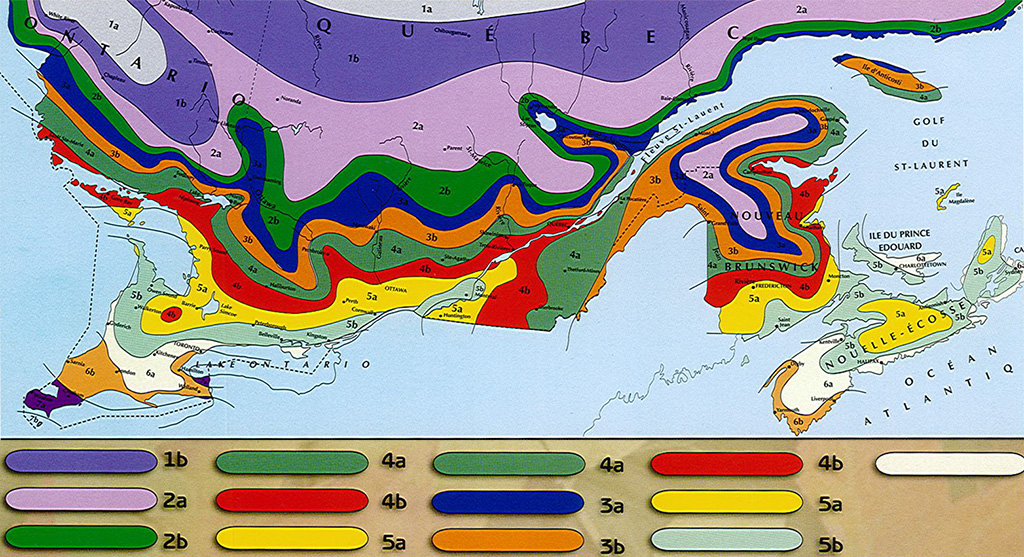
| Zone de rusticité | 3b |
| Période de floraison | April-May |
| Endroit | Isolated, Solid |
| Fleur coupée | Non |
| Fleur parfumée | Non |
| Attire les oiseaux | Oui |
| Attire les papillons | Oui |
| Comestible | Non |
| Type de sols | Fresh (moist) soil, Moderately dry / well-drained soil, Moist soil |
| Condition environnementale | Low salt resistance, Moderate drought resistance, Moderate pollution resistance |
| Feuillage | Green |
| Couleur de fleur | Greenish |
| Fruits | No |
Recherche
de végétaux