 Accès client
 Picea Omorika
Serbian Spruce
Evergreen conifer with a tall, narrow, elegant pyramidal habit, forming a very refined and vertically accentuated tree. It is known for its graceful form, with slightly upward-angled branches that often show a subtle drooping effect at the tips, giving it a soft yet structured silhouette.
The foliage consists of short, flattened needles that are dark green on the upper surface with striking silvery-white undersides. This bicolored effect creates a shimmering appearance, especially when moved by wind, giving the tree a distinctive ornamental quality.
Picea omorika prefers full sun to partial shade and well-drained soil. It adapts to a wide range of soil types, including slightly acidic to alkaline conditions, and is more tolerant of urban environments than many other spruces. Once established, it shows good drought tolerance, excellent cold hardiness, and strong resistance to pollution and wind exposure. It is ideal for specimen planting, narrow spaces, screens, and formal or architectural landscapes.


Fiche technique
| Ensoleillement | Partial-shade, Sunny |
| Hauteur | 5m and + |
| Largeur | 3 to 5m |
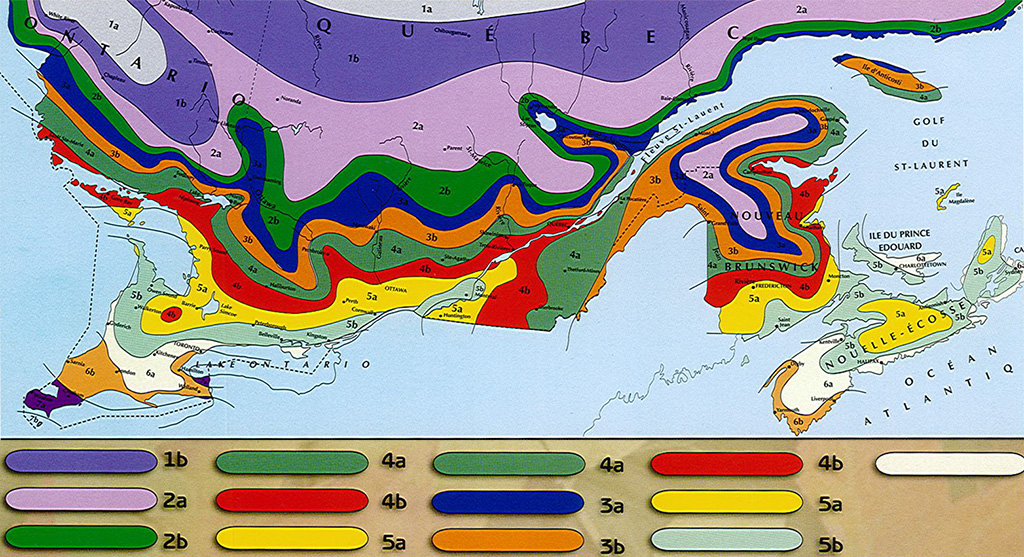
| Zone de rusticité | 3b |
| Endroit | Isolated, Screen, Solid |
| Fleur coupée | Non |
| Fleur parfumée | Non |
| Attire les oiseaux | Non |
| Attire les papillons | Non |
| Comestible | Non |
| Type de sols | Moderately dry / well-drained soil |
| Condition environnementale | High pollution resistance, Low salt resistance, Moderate drought resistance |
| Feuillage | Green |
| Fruits | No |
Recherche
de végétaux