 Accès client
 Picea Mariana
Black Spruce
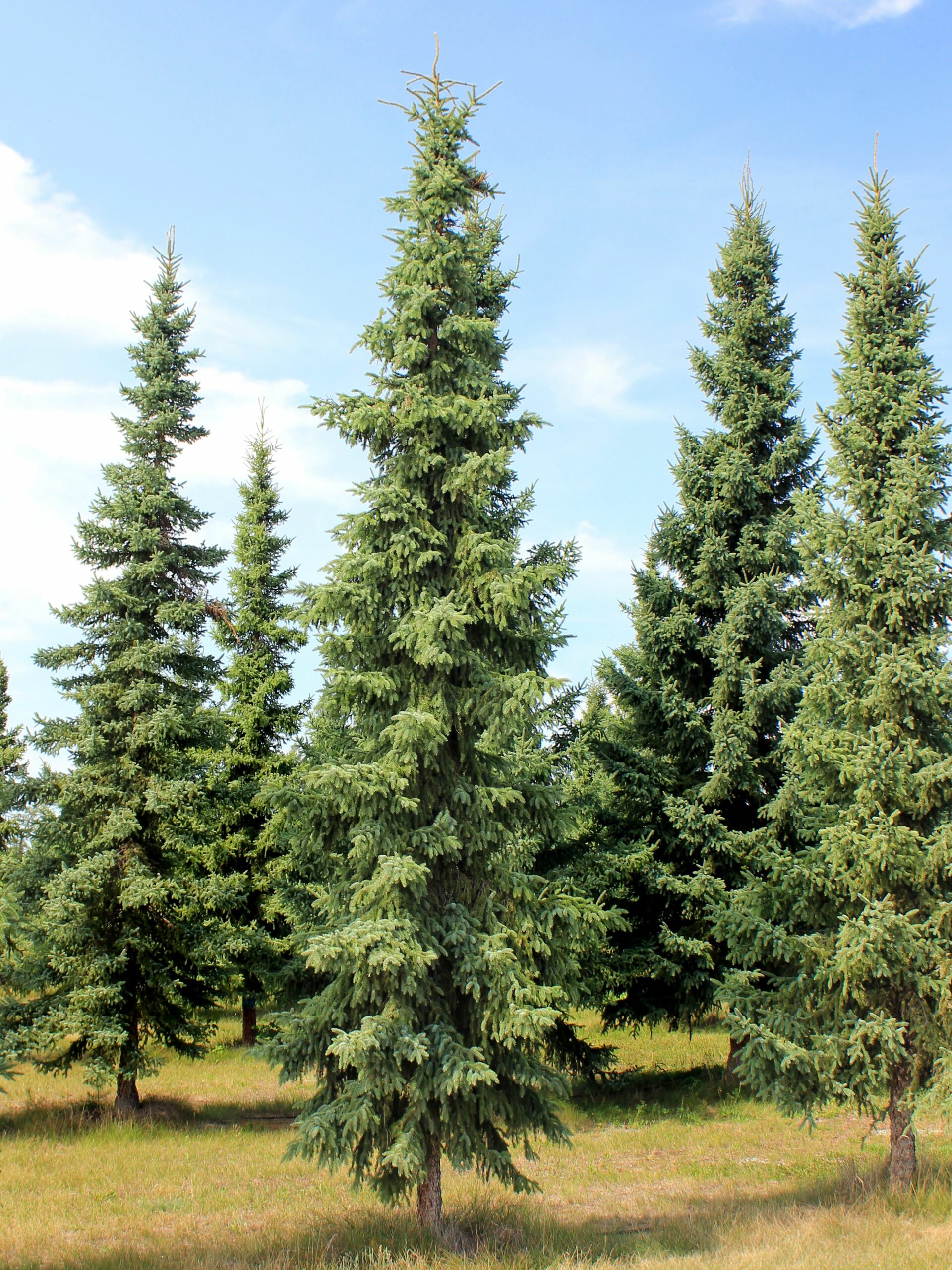
Evergreen conifer with a narrow to broadly conical habit, often becoming dense and somewhat irregular with age. It is a highly adaptable boreal species, typically smaller and more compact than many other spruces, especially in harsh or nutrient-poor sites.
The foliage consists of short, stiff, blue-green to dark green needles that are closely set along the branches, giving the tree a fine but dense texture. When crushed, the needles may release a slightly resinous aroma. The overall appearance is darker and more subdued than White Spruce, contributing to its characteristic boreal forest look.
Picea mariana prefers full sun and cool, moist, acidic soils, often thriving in peatlands, bogs, and poorly drained areas where many conifers struggle. It tolerates cold and wet conditions extremely well but performs poorly in heat, drought, and highly alkaline soils. Once established, it shows exceptional cold hardiness, good moisture tolerance, and moderate resistance to wind exposure. It is commonly used in reforestation, naturalized plantings, and wetland restoration.


Fiche technique
| Ensoleillement | Partial-shade, Sunny |
| Hauteur | 5m and + |
| Largeur | 5m and + |
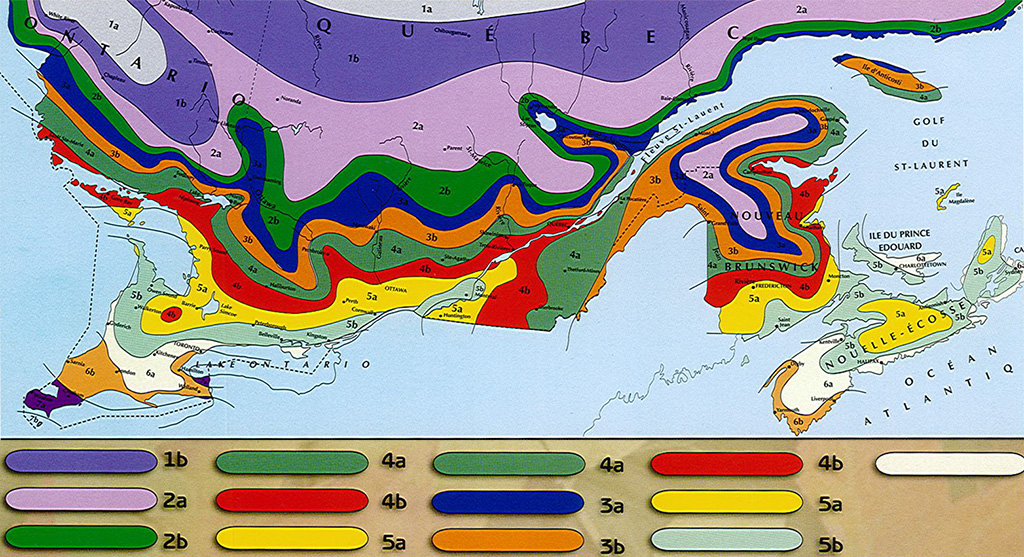
| Zone de rusticité | 2a, 2b |
| Endroit | Isolated, Solid |
| Fleur coupée | Non |
| Fleur parfumée | Non |
| Attire les oiseaux | Oui |
| Attire les papillons | Non |
| Comestible | Non |
| Type de sols | Moist soil, Wet soil |
| Condition environnementale | Low drought resistance, Low pollution resistance, Low salt resistance |
| Feuillage | Green |
| Fruits | No |
Recherche
de végétaux